What is value-add real estate?
Core real estate is already stabilised: let, compliant, yielding steadily. Value-add targets assets that are underused, vacant or mispositioned, where refurbishment, a change of use or a change of operator releases value that is not yet expressed. Higher return, and work to do.
What makes Crayon Partners different?
Two backgrounds that rarely sit in the same room: institutional real estate and venture capital. That combination pushes us towards strategies with a strong operational component, because value no longer sits in the walls alone but in what a building is used for and how it is run. We buy, reposition and operate, rather than buy and wait. And we are in it ourselves: the partners of Crayon Partners invest in every vehicle we run, on the same terms as everyone else in it.
Why does resilience decide an asset's value?
Offices have shown what happens when a building stops matching how people live and work: value does not erode gently, it goes. A fund holds for five to ten years, but the buyer at the end is acquiring the ten years after that. So the question at entry is not what the asset earns today, it is whether it will still answer a real need in thirty years. This is where impact and resilience meet: an asset that answers a need society cannot do without is an asset that still has a buyer.
What is rent-to-own?
A household rents the home it intends to buy, at terms agreed at the outset, and moves towards the purchase while living in it. It is a route into ownership for people with the income to pay a mortgage but not the deposit. For the fund, it is a let asset with an identified future buyer already inside it, and a home that can be re-let or sold on the open market if that buyer does not complete.
Who are tomorrow's borrowers?
People a bank would lend to today if they had the deposit. They earn enough to carry a mortgage, and most of them already pay that amount in rent. The obstacle is the deposit, almost impossible to save while renting in a capital city, and that is what the structure solves. Every household is underwritten before the home is reserved, on income, affordability and employment, exactly as a lender would, and the building is underwritten separately so the exit never rests on one signature. The demand is vast, and it is solvent.
How much risk sits in the assets themselves?
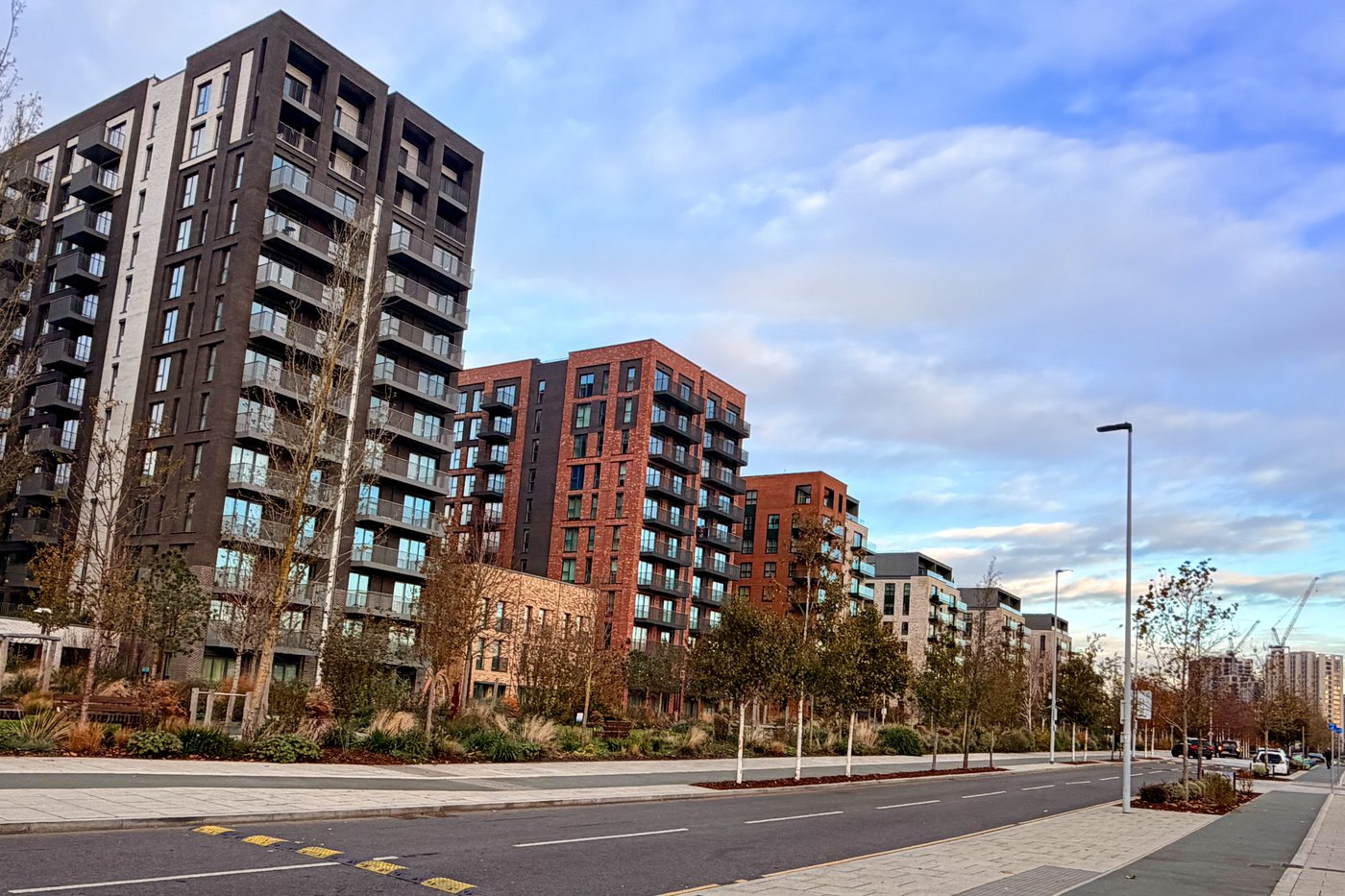
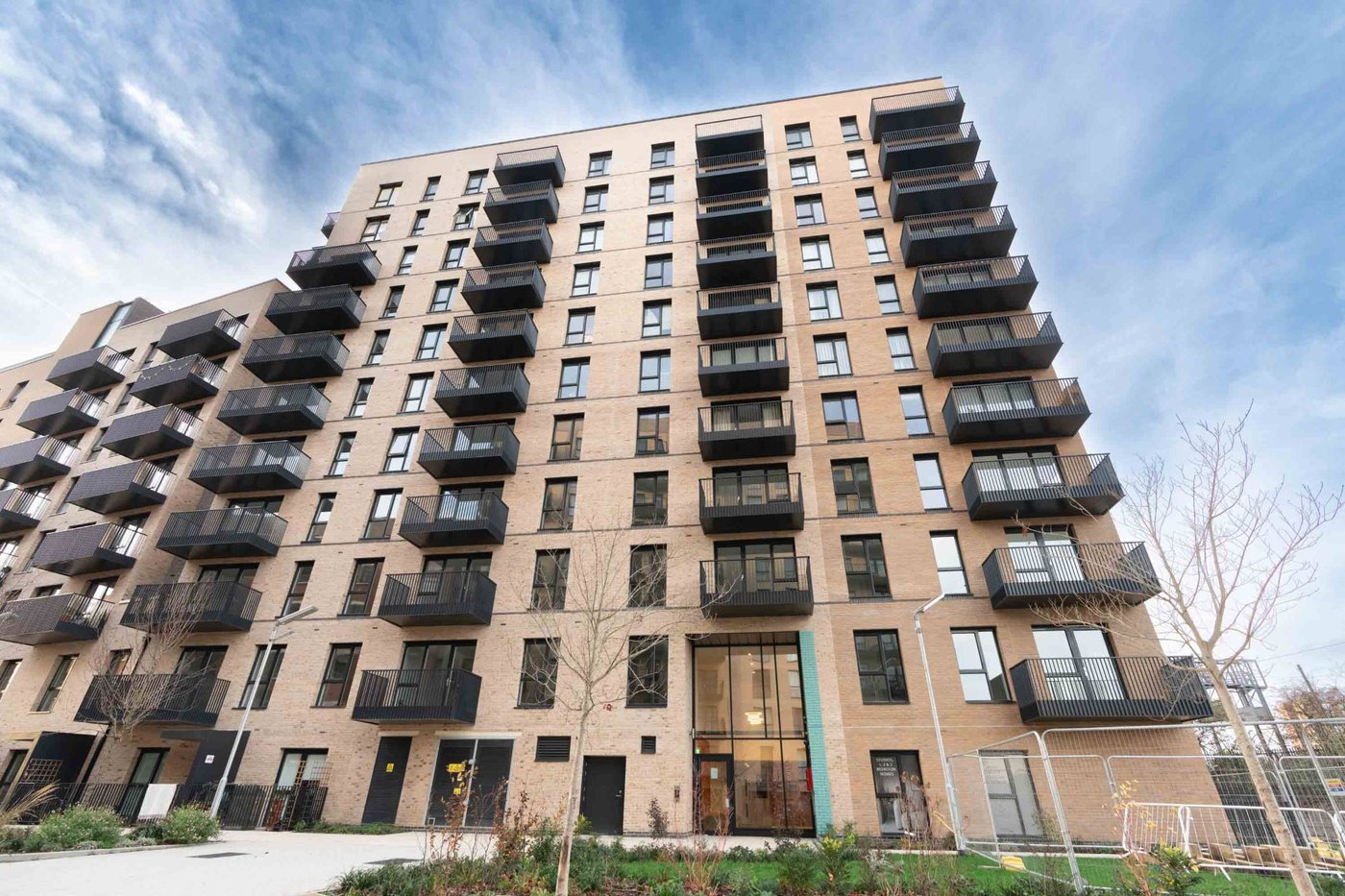
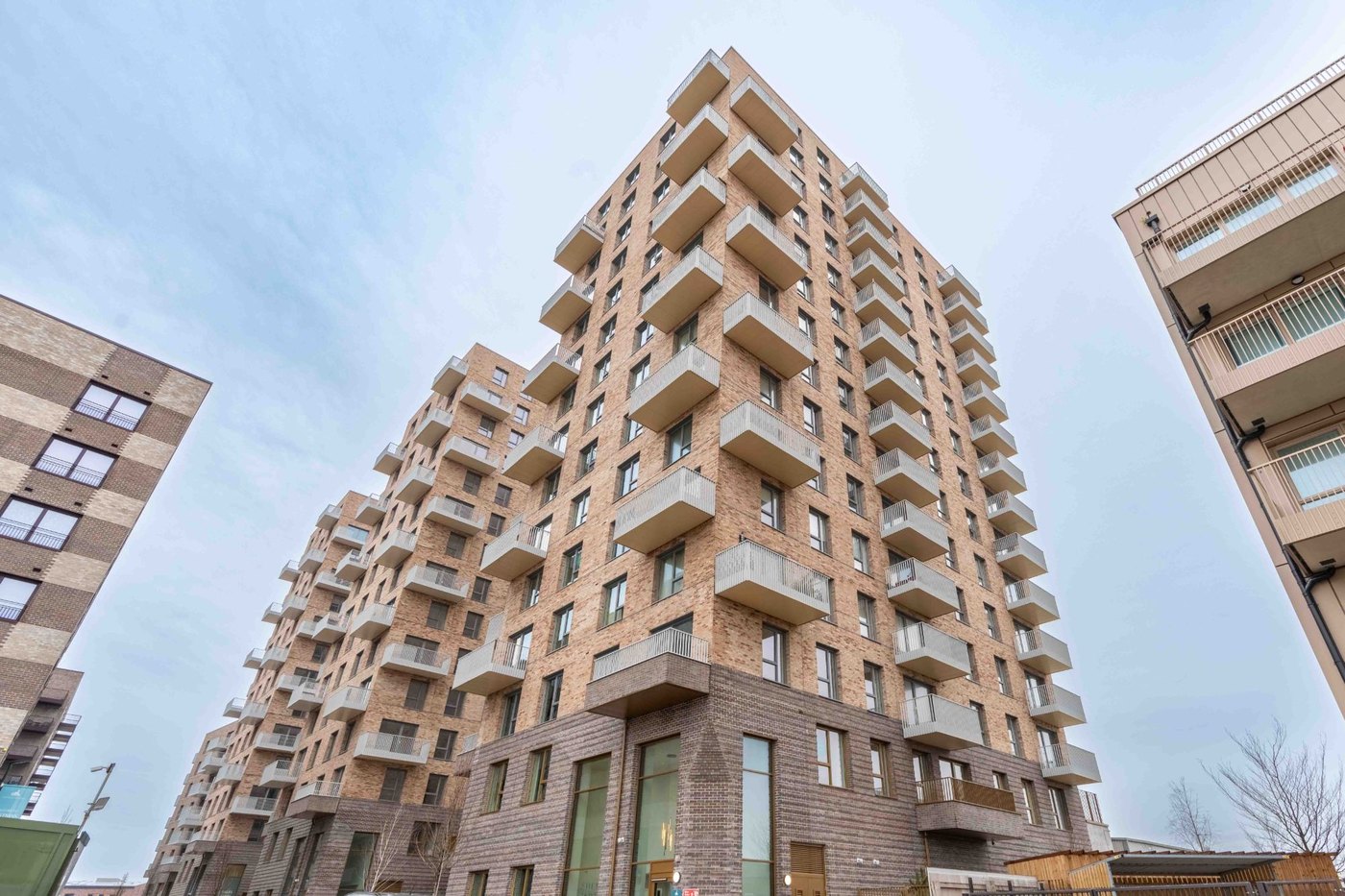
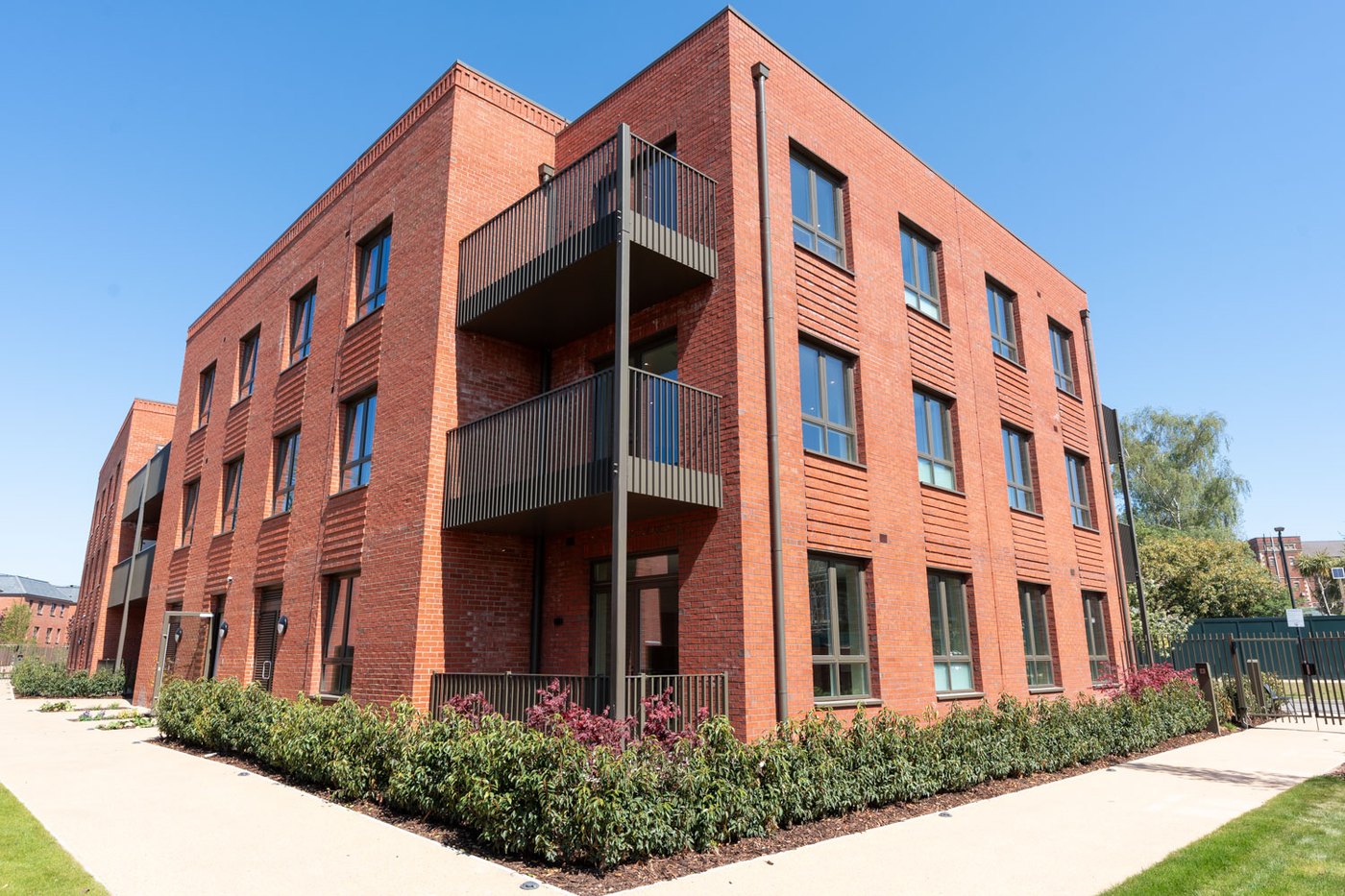
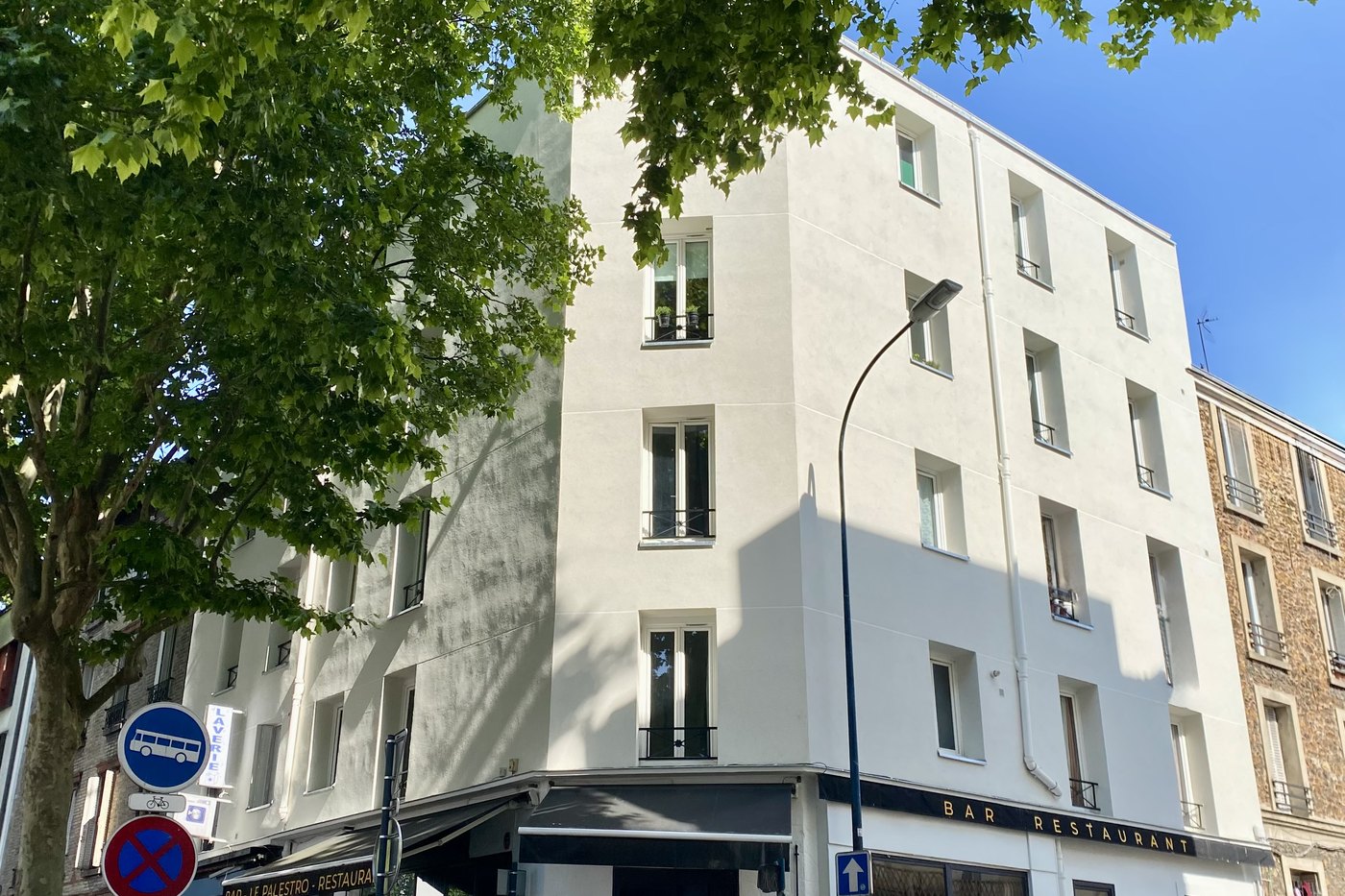
Less than the value-add label suggests. Crayon Jaune buys new homes that are already built and delivered, so there is no construction risk and no planning risk: the work is commercial and operational. Crayon Bleu takes on refurbishment, within a scope defined before acquisition and costed on what our team has already delivered on comparable buildings. We take risk on use and on execution, not on whether a building gets built.
Why look across Europe rather than one market?
Capitals do not move together. Rental tension, financing costs, delivery pipelines and regulation shift at different speeds in London, Paris, Madrid or Brussels, and a mandate confined to a single market has to buy whatever that market offers at the time. Covering several lets us hold back where pricing is poor and commit where it is not. It is also how a strategy proves it is a model rather than a local accident.